August 14, 2026
Regular HVAC maintenance is one of the most effective ways homeowners can control energy use without sacrificing indoor comfort. Heating and cooling systems work hard throughout the year, and even small inefficiencies can increase utility bills over time. Dust buildup, worn parts, restricted airflow, low refrigerant levels, and neglected filters can all force equipment to run longer than necessary. Routine service helps identify these issues before they turn into expensive problems. By working with a trusted HVAC company, homeowners can keep their systems operating more efficiently, reduce unnecessary energy waste, and improve comfort during both hot and cold seasons.
Improving Airflow Through Routine Cleaning
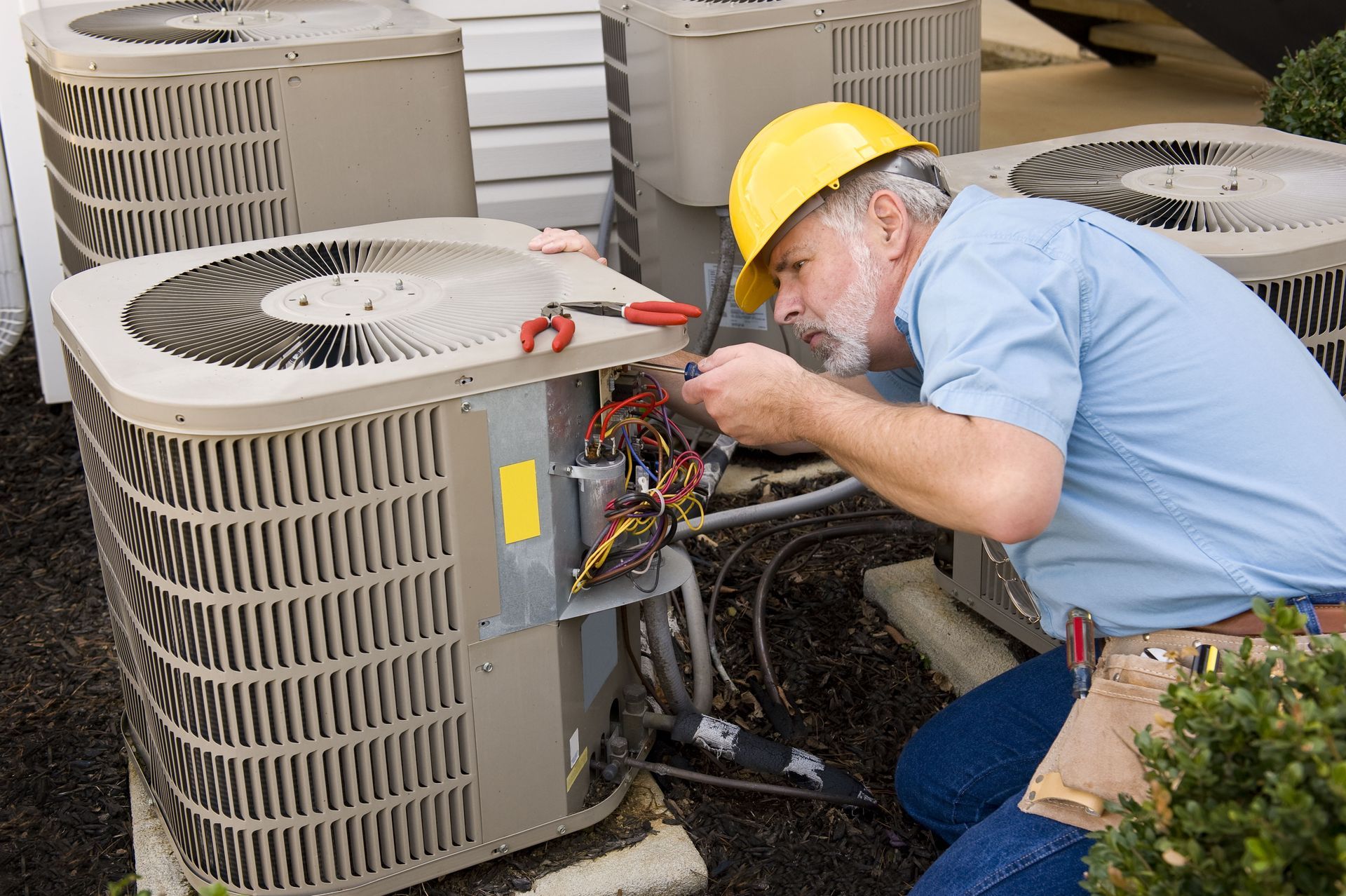
One of the main ways maintenance lowers energy costs is by improving airflow. Dirt and debris can collect on filters, coils, blowers, and vents, making it harder for conditioned air to move through the system. When airflow is restricted, the equipment may run longer to reach the thermostat setting, using more electricity or fuel in the process. A professional HVAC company can clean critical components, replace dirty filters, and check duct connections so the system can move air more freely and distribute it more evenly throughout the home.
Better airflow also helps reduce strain on motors and fans. When these components have to work against clogged filters or dirty coils, they may consume more power and wear out faster. Regular cleaning can help the system complete heating and cooling cycles more efficiently, which may reduce both operating costs and the likelihood of premature equipment failure. Homeowners can also support airflow between service visits by replacing filters on schedule and keeping supply and return vents clear of furniture, rugs, and other obstructions.
Maintaining Efficient System Performance
HVAC systems depend on many parts working together at the correct settings. Thermostats, electrical connections, refrigerant levels, burners, heat exchangers, and control boards all affect how efficiently the system operates. During routine maintenance, technicians can inspect these components and identify small problems before they cause noticeable performance losses. An experienced HVAC company may also test temperature differences, system cycling, and operating pressures to confirm that the equipment is functioning within recommended ranges.
These checks can prevent the system from wasting energy because of hidden mechanical issues. For example, a loose electrical connection may reduce reliability, while incorrect refrigerant levels can make an air conditioner work harder to remove heat from the home. According to Industry Research, about 54% of HVAC repair service requests involve air conditioning systems. Regular inspections can help catch developing cooling problems before they become major repairs and before inefficient operation causes monthly energy bills to rise.
Reducing Energy Waste From Short Cycling
Short cycling occurs when heating or cooling equipment turns on and off too frequently instead of completing a normal operating cycle. This problem can be caused by dirty filters, thermostat issues, oversized equipment, low refrigerant, frozen coils, or other mechanical conditions. Frequent starting and stopping can waste energy because HVAC systems often use more power during startup. A qualified HVAC company can diagnose the cause of short cycling and recommend the appropriate repair or maintenance step.
Correcting short cycling can improve both efficiency and comfort. A system that runs for the proper amount of time is better able to maintain steady indoor temperatures and manage humidity. It can also reduce wear on compressors, motors, and electrical components that are stressed by repeated starts. Routine maintenance gives technicians an opportunity to notice unusual cycling patterns early, which can help homeowners avoid higher utility costs and more expensive component replacements later.
Keeping Thermostats Accurate and Responsive
The thermostat controls when the HVAC system starts, stops, heats, and cools, so even a small accuracy problem can affect energy use. If the thermostat reads the indoor temperature incorrectly, the system may run longer than necessary or cycle at the wrong times. During maintenance, technicians can check thermostat operation, verify temperature readings, and make sure the device communicates correctly with the equipment. A technician can also recommend thermostat adjustments that improve efficiency without making the home uncomfortable.
Programmable and smart thermostats can provide additional energy savings when they are set up correctly. Homeowners can reduce heating or cooling during work hours, overnight periods, or times when the home is empty. However, extreme setbacks or constantly changing settings may cause the system to work harder later. A technician can explain how to create a schedule that matches the household's routine and the capabilities of the equipment. Proper thermostat use combined with regular system maintenance can help reduce wasted energy throughout the year.
Preventing Efficiency Loss From Worn Parts
HVAC components naturally wear down over time. Belts may loosen, bearings can develop friction, electrical contacts can deteriorate, and motors may begin drawing more power than normal. These changes may be gradual, so homeowners do not always notice that the system is becoming less efficient. A professional HVAC company can inspect moving parts, tighten connections, lubricate components where appropriate, and identify parts that should be replaced before they fail completely.
Addressing worn components early can reduce the amount of energy the system needs to operate. A struggling motor or damaged fan assembly may still function, but it can use more electricity while delivering less airflow. Preventive maintenance also helps reduce the risk of sudden breakdowns that may force homeowners to use temporary heaters, window air conditioners, or other less efficient solutions while waiting for repairs. Keeping components in good working condition supports predictable energy use and more dependable comfort.
Extending Heating and Cooling Equipment Life
Energy efficiency and equipment life are closely connected. A system that runs under excessive strain often experiences faster wear, while a well-maintained system can operate more smoothly over time. Dirty coils, clogged filters, loose components, and neglected lubrication can all increase the workload on major parts. Routine service from an HVAC company helps reduce this strain by keeping the system clean, properly adjusted, and ready for seasonal demand.
Extending equipment life can also protect homeowners from the high cost of early replacement. Although all HVAC systems eventually need to be replaced, regular maintenance may help owners get more useful years from their investment. It also gives technicians a chance to track performance trends and alert homeowners when efficiency begins to decline significantly. This information can make it easier to plan for replacement instead of being forced into an emergency purchase after a major failure.
Preparing Equipment Before Peak Seasons
Scheduling maintenance before periods of heavy use can help a system operate efficiently when energy demand is highest. Air conditioners should ideally be checked before the hottest part of summer, while furnaces and heat pumps benefit from service before cold weather arrives. A dependable technician can inspect equipment, clean components, test operation, and correct minor issues before the system begins running for long hours every day.
Preventive scheduling can also reduce the likelihood of peak-season breakdowns, when repair demand is often higher. A system that has been inspected and tuned is more likely to maintain comfort without excessive runtime or sudden performance losses. Homeowners can also use maintenance visits to ask about filter schedules, thermostat settings, duct concerns, and other factors that influence energy use. Taking action before extreme temperatures arrive can help keep monthly utility costs more manageable.
Regular HVAC maintenance can make a meaningful difference in household energy costs by improving airflow, supporting efficient operation, correcting short cycling, maintaining thermostat accuracy, addressing worn components, extending equipment life, and preparing the system for peak seasonal demand. Small problems that are ignored can gradually increase energy consumption and lead to more expensive repairs, while routine inspections help keep the system operating as efficiently as possible. Working with a reliable HVAC company gives homeowners professional guidance, consistent maintenance, and a clearer understanding of how their heating and cooling equipment is performing. To schedule professional maintenance and help keep your system efficient throughout the year, contact Ron Albiero Heating & A/C Inc.